PSA test in Kenya: what it shows, what it does not and what to ask
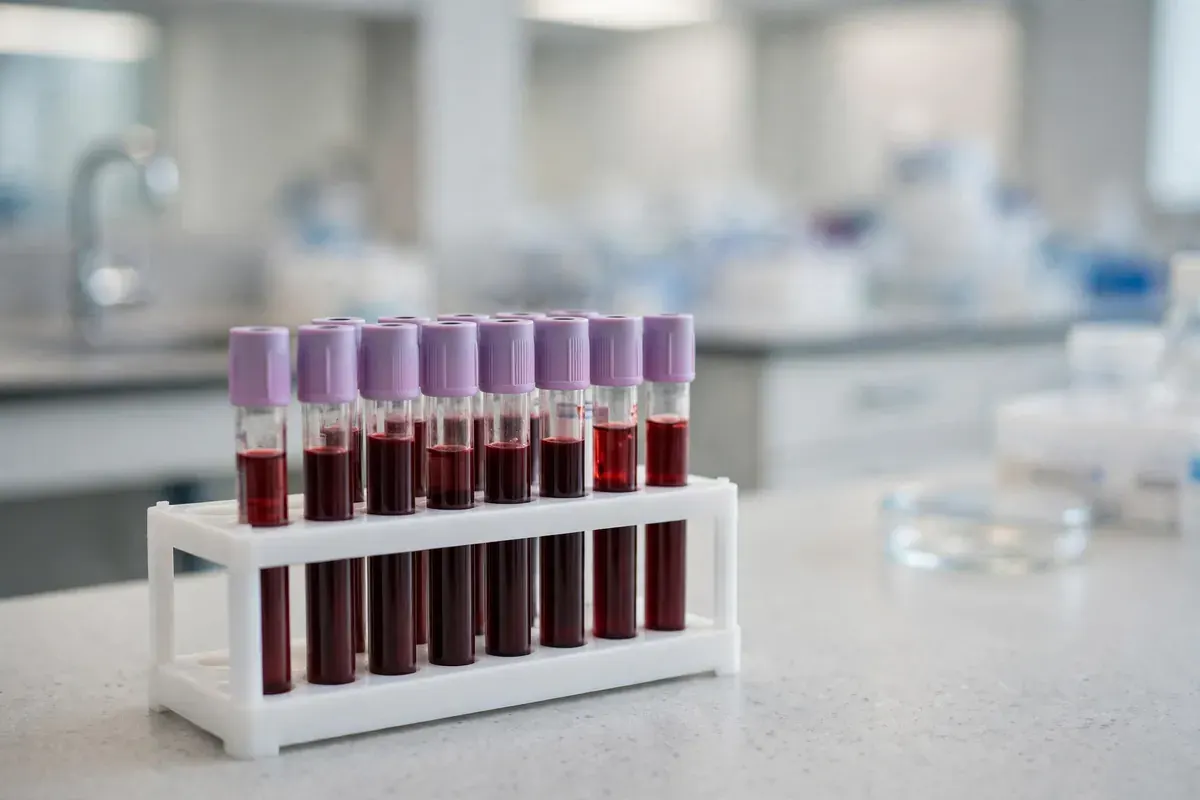
The PSA blood test explained: what it measures, what a result can and cannot tell you, who it is for, how to prepare, and what to ask your doctor and the laboratory in Kenya.
Request a call backWhat is a PSA test?
A PSA test is a blood test that checks the level of prostate specific antigen (PSA) in your blood. The NHS says it helps check for prostate conditions such as prostate cancer or an enlarged prostate, and that high levels may be a sign of a prostate condition. A raised result does not by itself mean cancer.
What can a PSA result tell you, and what can it not?
A PSA result is a signal that something may need a closer look, not a diagnosis. The NHS is direct about its limits: the result may not be accurate, and a raised level can have causes other than cancer. That is why a doctor reads it together with your symptoms and other tests.
| Question | What the NHS says |
|---|---|
| Does a high PSA mean cancer? | No. "A high PSA does not mean you have cancer. It may be for other reasons, such as an enlarged prostate (benign prostate enlargement)" |
| Can the result be wrong? | There is a risk a PSA test result may not be accurate, and you may be offered tests and treatment you do not need |
| What happens after a raised result? | You may be offered another PSA test. If it is still high, your doctor may discuss referring you to a specialist for further tests such as a biopsy and an MRI scan |
| How long do results take? | In the NHS, 1 to 2 weeks. In Kenya, ask the laboratory |
| Can an infection change it? | Yes. After a urine infection, wait 4 to 6 weeks after it has cleared before having the test, because the infection can affect the result |
Source: NHS, "PSA test", reviewed 2 September 2024. It describes UK practice; Kenyan laboratories and hospitals may work differently, so ask them.
Who should talk to a doctor about a PSA test?
Talk to a doctor if you have symptoms that could point to a prostate problem. The NHS says testing may be recommended if you urinate more than usual, have a sudden urge to go, get up often in the night, see blood in your urine, or have problems getting or keeping an erection. Men without symptoms can ask about it too.
For men with no symptoms the NHS is cautious: routine PSA testing is not currently offered unless genetic tests show a faulty version of the BRCA2 gene, which raises the risk of prostate cancer. Anyone with a prostate can ask a doctor about testing, and the doctor will discuss the benefits and risks before a decision is made.
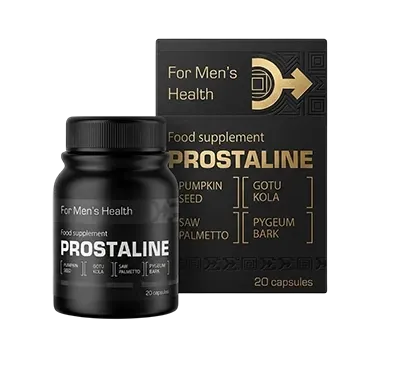
Prostaline
Food supplement in capsules, 20 capsules
- Two fields only: name and mobile number
- Food supplement in capsules, 20 per pack
- Payment and delivery are confirmed by phone
- Available to order: the request goes to the seller
What do Kenyan and international guidelines say about PSA testing?
They do not agree on routine screening, and they do not agree on one cut-off number. What they share is that the decision belongs with you and your doctor, after the benefits and risks are explained. Kenya's Ministry of Health recommends an individualized approach, and says there is no role for mass screening.
| Organisation | Position on testing | Number it gives |
|---|---|---|
| Kenya Ministry of Health (2024 guidelines) | "PSA-based screening is recommended, in an individualized approach", after shared decision-making. Screening starts at 55 if no other criterion applies, or from 40 for men of African descent. "There is no role for MASS screening for prostate cancer." | A PSA above 4 ng/ml: refer to a urologist, and repeat after 8 weeks in the same laboratory |
| NHS (September 2024) | Routine PSA testing is not currently offered, except with a faulty BRCA2 gene. Anyone with a prostate can ask a doctor | Gives no number |
| National Cancer Institute, USA (January 2025) | The PSA test is not recommended for routine screening in the general population. Most organizations advise discussing risks and benefits first | "There is no single threshold" for normal. In general above 4.0 ng/mL is considered abnormal, with a higher cut-off sometimes used for older men |
| American Cancer Society (November 2026) | Recommends screening men at average risk every 2 years from 50 to 69, and Black men from 45, after a talk about benefits and harms | Considered high at 3 ng/mL or more under 70, and 6.5 ng/mL or more from 70 |
Do not read your own result against these numbers: age, infection, a recent exam or cycling can change PSA, and your doctor reads it with the rest of the picture. These sources do not apply their numbers to you.
How common is prostate cancer in Kenya?
Prostate cancer is the most common cancer in men in Kenya, according to GLOBOCAN 2024: an estimated 3,601 new cases, which is 25.9% of all cancers in men. These figures are estimates built from regional cancer registries, not a count of every case in the country.
| Measure | Figure | Source and basis |
|---|---|---|
| New cases, men | 3,601, first among cancers in men (25.9%) | GLOBOCAN 2024, estimate from subnational registries |
| Deaths | 2,199, fourth among cancer deaths for both sexes | GLOBOCAN 2024 |
| Earlier estimate | 3,582 new cases (21.9%) | Ministry of Health guideline, citing GLOBOCAN 2022 |
| Age | Incidence peaks from the sixth decade of life | Ministry of Health, 2024 |
Year and basis matter: the 2022 and 2024 figures use different bases and should not be compared as a trend.
Does early prostate cancer cause symptoms?
Often it does not. The NHS says prostate cancer often has no symptoms at first, and that urinary changes such as a weak flow, needing to go urgently or often, and urinating during the night do not always mean cancer, because an enlarged prostate can cause the same symptoms. Kenya's Ministry of Health lists frequency and nocturia among the urinary symptoms that should make a doctor think of it.
The NHS advises being checked by a doctor if symptoms change, get worse or do not feel normal. It also says you can ask about a PSA test even if you have no symptoms, and the doctor will consider your cancer risk to decide whether the test suits you.
How should you prepare for a PSA test?
The NHS advice is to avoid a few activities in the 48 hours before the test, because they can raise PSA levels and make the test less accurate. You can eat and drink as usual.
- For 48 hours before the test, do not have anal sex.
- For 48 hours before the test, do not ejaculate.
- For 48 hours before the test, avoid exercise that leaves you out of breath.
- For 48 hours before the test, do not ride a bike.
- If you have had a urine infection, wait 4 to 6 weeks after it has cleared.
- Tell the doctor or laboratory about any prostate treatment you are on, and about any supplement you take.
The NHS notes the test is usually done at a hospital or clinic by a nurse or another health professional. You may also be offered a urine test and a rectal examination, where the doctor feels the prostate with a finger. If needles worry you, tell the person taking your blood, and bring someone for support.
What should you ask your doctor and the laboratory in Kenya?
Ask before the test, not after. A short list of questions makes the visit more useful, and it helps you decide whether the test is right for you at all.
- Why do you suggest this test for me, given my age and symptoms?
- What are the benefits and the risks of testing in my case, including the chance of an inaccurate result?
- What will we do if the result is raised, and what other causes will we check first?
- How long will the result take, and who will explain it to me?
- What does the price include: the blood draw, the report, a doctor's review of the result?
- Which supplements or medicines should I tell the laboratory about?
Do herbal supplements change a PSA result?
NCCIH says saw palmetto does not appear to affect PSA readings, even when taken in higher-than-usual amounts. That finding is about saw palmetto alone. We have no data on mixed products such as Prostaline, so tell the doctor and the laboratory about any supplement you take.
What should you read next?
If you have urinary symptoms, the most useful next step is a visit to a doctor with a record of your symptoms. These pages help you prepare.
Frequently asked questions
What is a normal PSA level?
There is no single threshold. The US National Cancer Institute says that in general a level above 4.0 ng/mL is considered abnormal, Kenya's Ministry of Health refers a level above 4 ng/ml to a urologist, and the American Cancer Society uses 3 or 6.5 depending on age. Your doctor reads your result with the rest of the picture.
Does a high PSA mean I have cancer?
No. The NHS says a high PSA does not mean you have cancer; it may be for other reasons, such as an enlarged prostate. A doctor decides what to check next.
Can an enlarged prostate raise PSA?
Yes, according to the NHS, a high PSA can be for other reasons such as benign prostate enlargement. That is one reason the test is not a diagnosis.
How do I prepare for a PSA test?
For 48 hours before the test, the NHS advises no anal sex, no ejaculation, no exercise that leaves you out of breath and no cycling. Wait 4 to 6 weeks after a urine infection has cleared. You can eat and drink as usual.
Should I have a PSA test if I have no symptoms?
Kenya's Ministry of Health recommends an individualized approach after shared decision-making, and says there is no role for mass screening. The NHS does not offer routine testing. Talk to your own doctor about your benefits and risks first.
How long do PSA results take?
The NHS says results usually arrive in 1 to 2 weeks. Kenyan laboratories may differ, so ask when you book the test.
Sources
- NHS: PSA test (reviewed 2 September 2024), viewed 27 November 2026
- National Cancer Institute: Prostate-Specific Antigen (PSA) Test (updated 31 January 2025), viewed 27 November 2026
- American Cancer Society: Guideline for Prostate Cancer Early Detection (revised 12 November 2026), viewed 27 November 2026
- Kenya Ministry of Health: National Cancer Screening and Early Diagnosis Guidelines, second edition 2024, viewed 27 November 2026
- IARC GLOBOCAN 2024: Kenya fact sheet (estimates from subnational registries), viewed 27 November 2026
- NHS: Symptoms of prostate cancer (reviewed 31 July 2025), viewed 27 November 2026
- NCCIH: Saw Palmetto, usefulness and safety (updated April 2025), viewed 27 November 2026
- NHS: Enlarged prostate (reviewed 8 April 2025), viewed 27 November 2026
Prostaline
Food supplement in capsules, 20 capsules
- Two fields only: name and mobile number
- Food supplement in capsules, 20 per pack
- Payment and delivery are confirmed by phone
- Available to order: the request goes to the seller