Enlarged prostate (BPH): symptoms, causes and what to do in Kenya

Enlarged prostate (BPH) in plain language: what it is, the symptoms men notice, when to see a doctor, how doctors check and treat it, and what the research says about supplements.
Request a call backWhat is an enlarged prostate (BPH)?
Benign prostatic hyperplasia (BPH), or enlarged prostate, is a condition in which the prostate gland grows larger than normal, and the growth is not caused by cancer (NIDDK). The NHS calls it common and not usually serious, and says treatments exist for men who need them. It is most common in men over 50.
The prostate is a small gland below the bladder that makes semen and controls the flow of urine from the bladder (NHS). When it gets bigger it can press on the tube that carries urine out of the body, which causes problems with passing urine.
NIDDK adds one point that surprises many men: "BPH symptoms or difficulty urinating may not be directly related to the size of your prostate."
What are the symptoms of an enlarged prostate?
The main symptoms are problems with passing urine. The NHS says they usually develop slowly and may gradually get worse as you get older. Many of the same symptoms can have other causes, which is why a doctor should look at them.
- Difficulty starting to urinate, or having to push or strain.
- A weak flow of urine, stopping and starting, and taking longer than usual to empty the bladder.
- Feeling that you cannot fully empty your bladder.
- Dribbling urine after you finish.
- Needing to urinate more often or urgently, including getting up during the night.
When should you see a doctor, and when is it urgent?
See a doctor if you have difficulty urinating or need to go more often. Get urgent help if you see blood in your urine, have pain when urinating, or cannot urinate at all. The NHS stresses that these symptoms can sometimes come from more serious conditions, such as prostate cancer, so they are worth getting checked.
| Level | Signs | What to do |
|---|---|---|
| Book a visit | Difficulty urinating, or needing to urinate more often | See a doctor at a clinic or hospital, and take a 3-day record of drinks and urination |
| Urgent, same day | Blood in the urine (pink, red or brown). Pain when urinating. Cannot urinate at all | Get medical help the same day, at a hospital or an emergency department |
| Urgent, same day | A painful, frequent and urgent need to urinate with fever and chills. Great discomfort or pain in the lower abdomen or urinary tract | Get medical help right away (NIDDK) |
Sources: NHS (reviewed 8 April 2025) and NIDDK (reviewed June 2024). Both are guides from other countries; in Kenya, go to the nearest clinic or hospital that can see you the same day.
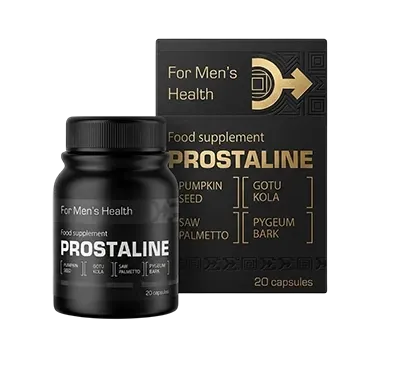
Prostaline
Food supplement in capsules, 20 capsules
- Two fields only: name and mobile number
- Food supplement in capsules, 20 per pack
- Payment and delivery are confirmed by phone
- Available to order: the request goes to the seller
How do doctors check for an enlarged prostate?
The doctor asks about your symptoms and may examine your abdomen and feel the prostate with a finger through the rectum. The NHS says you will usually be asked to keep a record for at least 3 days of how much you drink, and how often and how much you urinate.
- Questions about your symptoms, such as how often you urinate.
- A physical check, which may include a rectal examination to feel the size of the prostate.
- A record of drinks and urination for at least 3 days (the diary on our night-time urination page is built for this).
- Tests such as a urine sample and a PSA blood test; our PSA page explains what it can and cannot show.
- A referral for more tests if needed: a urine flow test, an ultrasound scan of the bladder, or a look inside the bladder with a camera (cystoscopy).
How is an enlarged prostate treated?
An enlarged prostate does not always need treatment, according to the NHS. If symptoms are not causing many problems, doctors usually suggest lifestyle changes first. Moderate or severe symptoms may be treated with medicines, and surgery is offered if medicines have not helped or symptoms are severe.
| Option | What it involves | When it is offered |
|---|---|---|
| Lifestyle changes | Less alcohol and caffeine, less fluid before bed, enough fibre, a healthy weight, bladder training, pelvic floor exercises | First step when symptoms are mild |
| Medicines that help you urinate | Alpha blockers such as tamsulosin, doxazosin or alfuzosin | Moderate or severe symptoms |
| Medicines for urgency and frequency | Such as oxybutynin or tolterodine | When needing to go often or urgently is the main problem |
| Medicines that lower hormone levels | Finasteride or dutasteride, which make the prostate grow more slowly | When the risk of the condition getting worse is high |
| Surgery | Most often TURP, which removes part of the prostate through a thin tube; other procedures use lasers, steam, a water jet or an implant | When medicines have not helped, or symptoms are severe |
These medicines can cause side effects. A doctor explains the benefits and risks and helps you decide. Source: NHS, reviewed 8 April 2025.
What can you do yourself to ease the day-to-day trouble?
The NHS lists small steps that may help with symptoms. They do not replace a medical check, and they do not change the size of the prostate. Try them alongside a doctor's advice, not instead of it.
- Cut down on alcohol and caffeine, as they can make you urinate more.
- Reduce how much you drink before bed or before going out, but drink enough during the rest of the day.
- Eat enough fibre to avoid constipation, which can put pressure on the bladder.
- Keep to a healthy weight, as being overweight can make symptoms worse.
- After urinating, wait a few moments and try again to empty the bladder.
- Do not strain, and do not cut down too much on fluids, because that can cause urinary infections.
- Ask a doctor or pharmacist whether any medicine you take for another condition could make symptoms worse.
What causes an enlarged prostate, and can it be prevented?
It is thought to be caused by changes in hormone levels as you get older. You may be more likely to get it if you are over 50 or if others in your family have it. The NHS says it is not caused by prostate cancer and does not increase your risk of getting prostate cancer.
NIDDK reports that researchers have not found a way to prevent BPH, though being physically active may help reduce the risk. It also says researchers have not found eating, diet or nutrition to cause or prevent BPH, although changes in diet could lessen some symptoms.
Do herbal supplements help an enlarged prostate?
The evidence is weak or mixed. NCCIH (2025) says that saw palmetto is probably not helpful for urinary symptoms from prostate enlargement, and notes that definite conclusions could not be reached about combinations of herbs. If you want to try a supplement, tell your doctor first.
Frequently asked questions
Is an enlarged prostate cancer?
No. NIDDK says the growth in BPH is not caused by cancer, and the NHS says an enlarged prostate does not increase your risk of getting prostate cancer. The symptoms can overlap, though, so a doctor should check them.
What are the early signs of an enlarged prostate?
The NHS lists difficulty starting to urinate, a weak or interrupted flow, feeling the bladder is not empty, dribbling after finishing, and needing to go more often or urgently, including at night. They usually develop slowly.
Can an enlarged prostate be cured?
It does not always need treatment, and treatments such as medicines or surgery can control symptoms. NIDDK says researchers have not found a way to prevent BPH. Ask a doctor what suits your symptoms.
Which foods should you avoid with an enlarged prostate?
NIDDK says researchers have not found diet to cause or prevent BPH. The NHS suggests cutting down on alcohol and caffeine, and drinking less before bed, because they can make you urinate more.
What medicines are used for an enlarged prostate?
The NHS lists alpha blockers such as tamsulosin, doxazosin and alfuzosin, medicines for urgency such as oxybutynin and tolterodine, and finasteride or dutasteride for men at high risk of the condition worsening. A doctor decides which, if any.
Do I need a PSA test if I have these symptoms?
A PSA blood test may be one of the tests a doctor suggests, according to the NHS. It can be raised for several reasons, so discuss the pros and cons with your doctor first. Our PSA page explains it.
Sources
- NIDDK: Enlarged prostate (benign prostatic hyperplasia), reviewed June 2024, viewed 27 November 2026
- NHS: Enlarged prostate (reviewed 8 April 2025), viewed 27 November 2026
- NCCIH: Saw Palmetto, usefulness and safety (updated April 2025), viewed 27 November 2026
- NCCIH Clinical Digest: Benign prostatic hyperplasia and complementary approaches (January 2022), viewed 27 November 2026
Prostaline
Food supplement in capsules, 20 capsules
- Two fields only: name and mobile number
- Food supplement in capsules, 20 per pack
- Payment and delivery are confirmed by phone
- Available to order: the request goes to the seller