Prostatitis: symptoms, causes and when to see a doctor

The four types of inflammation of the prostate, the symptoms, how it differs from an enlarged prostate, how it is treated, and the signs that mean you need care the same day.
Request a call backWhat is prostatitis?
Prostatitis is inflammation of the prostate. NIDDK describes it as a frequently painful condition that involves inflammation of the prostate and sometimes the areas around it. The NHS adds that it can be serious and needs urgent medical help. It is a different condition from an enlarged prostate.
What are the four types of prostatitis?
NIDDK says scientists have identified four types. They differ in cause, in how fast they start and in whether they need treatment, which is why a doctor has to work out which one you have.
| Type | What NIDDK says |
|---|---|
| Acute bacterial prostatitis | A bacterial infection of the prostate that happens suddenly and lasts a short time. Symptoms come on suddenly and are severe, and men should seek immediate medical care |
| Chronic bacterial prostatitis | A bacterial infection that develops slowly and lasts a long time, often years |
| Chronic prostatitis or chronic pelvic pain syndrome | The exact cause is unknown. Researchers believe a microorganism, though not a bacterial infection, may cause it. It may relate to chemicals in the urine, the immune system's response to an earlier urinary infection, or nerve damage in the pelvic area |
| Asymptomatic inflammatory prostatitis | No symptoms. It may be found while testing for other problems, causes no complications and does not need treatment |
The NIDDK page was last reviewed in July 2014, so we use it for the types and causes only. Treatment advice below comes from the NHS, reviewed in February 2024.
What are the symptoms of prostatitis?
According to the NHS, symptoms may include pain when urinating, difficulty urinating, and needing to go more often than usual. Pain can also be felt in the penis, scrotum, testicles or bottom, and a high temperature is possible. Not every man has all of them.
- Pain when urinating, which may feel like stinging or burning.
- Difficulty urinating, or straining to urinate.
- Needing to urinate more often than usual.
- Pain in the penis, scrotum, testicles or bottom.
- Pain when you ejaculate.
- A high temperature.
When is prostatitis an emergency?
Get care the same day if you cannot urinate, or if you have a painful, frequent and urgent need to urinate with fever and chills. Treat confusion, slurred speech, blue or grey skin, a rash that does not fade, or severe trouble breathing as an emergency, because these can mean a serious infection or sepsis.
| Level | Signs | Source |
|---|---|---|
| See a doctor | Any symptoms of prostatitis | NHS |
| Urgent, same day | Unable to urinate. Blood in the urine. A painful, frequent and urgent need to urinate with fever and chills. Great discomfort or pain in the lower abdomen. No improvement or worsening after 48 hours on antibiotics | NHS, NIDDK |
| Emergency | Sudden confusion or slurred speech. Blue, grey, pale or blotchy skin, lips or tongue. A rash that does not fade when you roll a glass over it. Severe difficulty breathing | NHS |
These guides come from the UK and the US. In Kenya, go to the nearest hospital emergency department for the emergency signs.
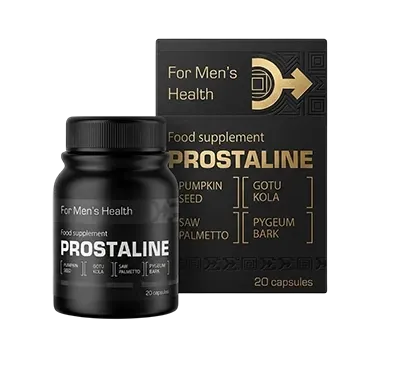
Prostaline
Food supplement in capsules, 20 capsules
- Two fields only: name and mobile number
- Food supplement in capsules, 20 per pack
- Payment and delivery are confirmed by phone
- Available to order: the request goes to the seller
How is prostatitis treated, and how long does it take?
The NHS says prostatitis is treated with antibiotics, and that you usually feel better within 2 weeks of starting, though it can take several weeks for all symptoms to settle. If symptoms last 3 months or longer (chronic prostatitis), you may be referred to a urologist.
For chronic prostatitis, the NHS says treatment may include antibiotics and other medicines, cognitive behavioural therapy or counselling, physiotherapy, and in some places alternative therapies. Only a doctor can tell whether yours is bacterial.
- Drink plenty of fluids to avoid dehydration.
- The NHS suggests paracetamol or ibuprofen for pain; ask a pharmacist if you are unsure which is safe for you.
- If you are given antibiotics, finish the whole course, even if you feel better.
Prostatitis or enlarged prostate: what is the difference?
They are different conditions that can feel similar when you urinate. Prostatitis is inflammation, often from infection, and can come on suddenly with pain or fever. An enlarged prostate is growth that is not caused by cancer, and its symptoms usually develop slowly.
| Prostatitis | Enlarged prostate (BPH) | |
|---|---|---|
| What it is | Inflammation of the prostate, often from infection | The prostate grows larger than normal, not caused by cancer |
| How it starts | Can be sudden (acute bacterial) or last for years (chronic) | Symptoms usually develop slowly and may worsen with age |
| Typical signs | Pain or burning when urinating, pain in the groin area, fever is possible | Weak or interrupted flow, feeling the bladder is not empty, going more often |
| Who | Anyone with a prostate gland (NHS) | Most common in men over 50 (NHS) |
| Usual treatment | Antibiotics for bacterial types, other medicines and therapies for chronic types | Lifestyle changes, medicines, or surgery, depending on symptoms |
Sources: NHS (prostatitis reviewed February 2024, enlarged prostate reviewed April 2025) and NIDDK. A doctor tells the two apart; do not rely on this table to decide.
Do herbal supplements treat prostatitis?
We found no source showing that they do. NCCIH (2025) reports that a 2022 review of five studies on saw palmetto for chronic prostatitis did not find a significant benefit. NIDDK says researchers have not found diet or nutrition to cause or prevent prostatitis. Do not delay care for a supplement.
Frequently asked questions
What is the difference between prostatitis and BPH?
Prostatitis is inflammation of the prostate, often from infection, and can start suddenly with pain or fever. BPH is an enlarged prostate that is not caused by cancer, and its symptoms usually develop slowly. A doctor can tell them apart.
What causes prostatitis?
The NHS says it is usually caused by an infection, such as a urinary infection. For long-term (chronic) prostatitis the cause is not always known; infection or inflammation, or a combination, is thought to play a part.
How long does prostatitis last?
The NHS says you usually feel better within 2 weeks of starting treatment, but it may take several weeks for all symptoms to settle. Symptoms lasting 3 months or longer are called chronic prostatitis.
When is prostatitis an emergency?
If you cannot urinate, or you have fever and chills with a painful, frequent and urgent need to urinate, get care the same day. Confusion, blue or grey skin, a rash that does not fade or severe trouble breathing are emergencies, according to the NHS.
Does diet cause prostatitis?
NIDDK says researchers have not found that eating, diet and nutrition play a role in causing or preventing prostatitis. The NHS suggests drinking plenty of fluids while you have symptoms.
Can a herbal supplement replace antibiotics?
No source we checked says so. A bacterial infection of the prostate is treated with antibiotics, according to the NHS, and acute cases can become serious. See a doctor rather than trying a supplement first.
Sources
- NIDDK: Prostatitis, inflammation of the prostate (page reviewed July 2014), viewed 27 November 2026
- NHS: Prostatitis (reviewed 19 February 2024), viewed 27 November 2026
- NCCIH: Saw Palmetto, usefulness and safety (updated April 2025), viewed 27 November 2026
- NHS: Enlarged prostate (reviewed 8 April 2025), viewed 27 November 2026
- NIDDK: Enlarged prostate (benign prostatic hyperplasia), reviewed June 2024, viewed 27 November 2026
Prostaline
Food supplement in capsules, 20 capsules
- Two fields only: name and mobile number
- Food supplement in capsules, 20 per pack
- Payment and delivery are confirmed by phone
- Available to order: the request goes to the seller